

Words by Jenny Lynn Davis | Images by Al Blanton
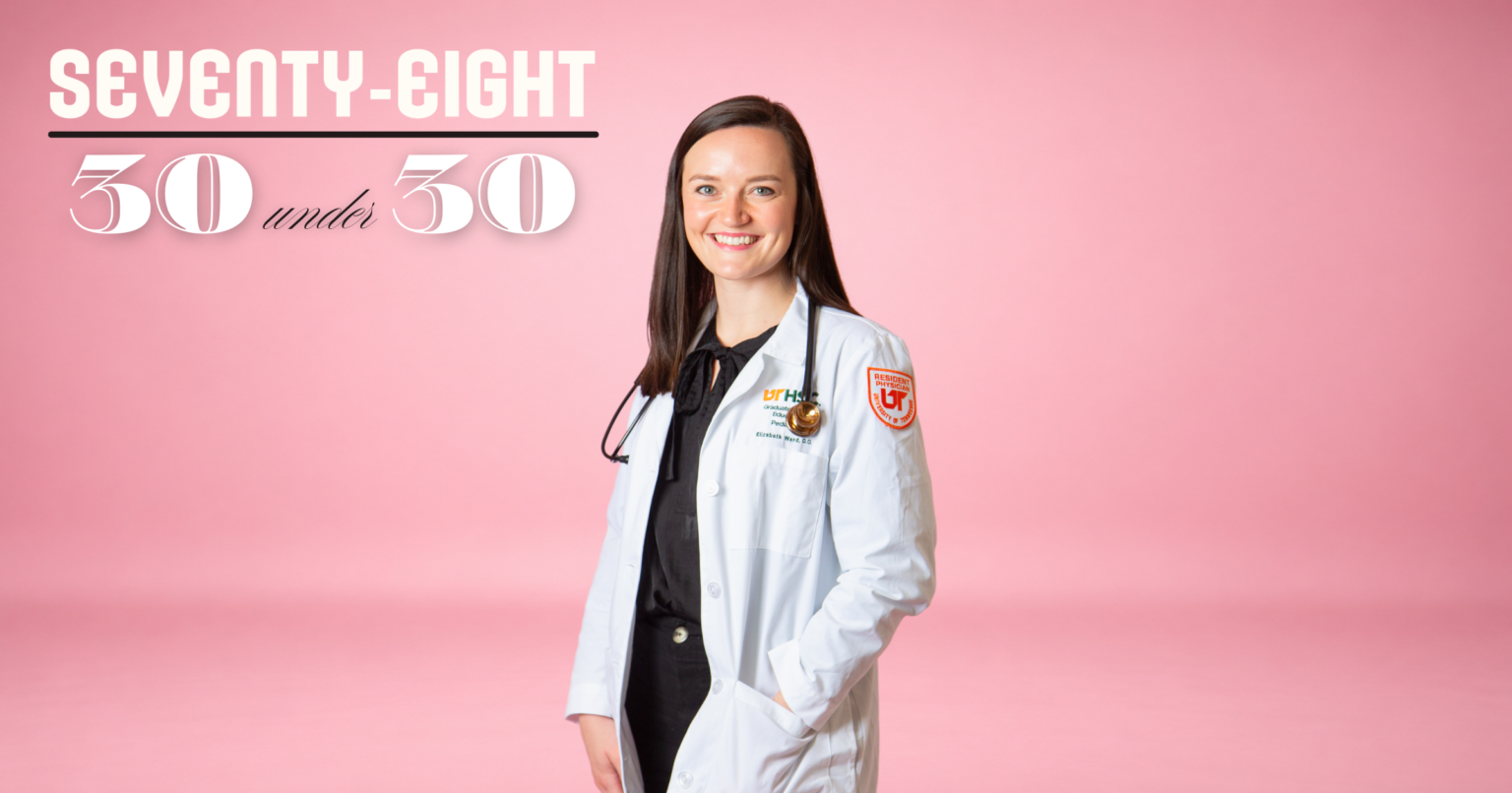
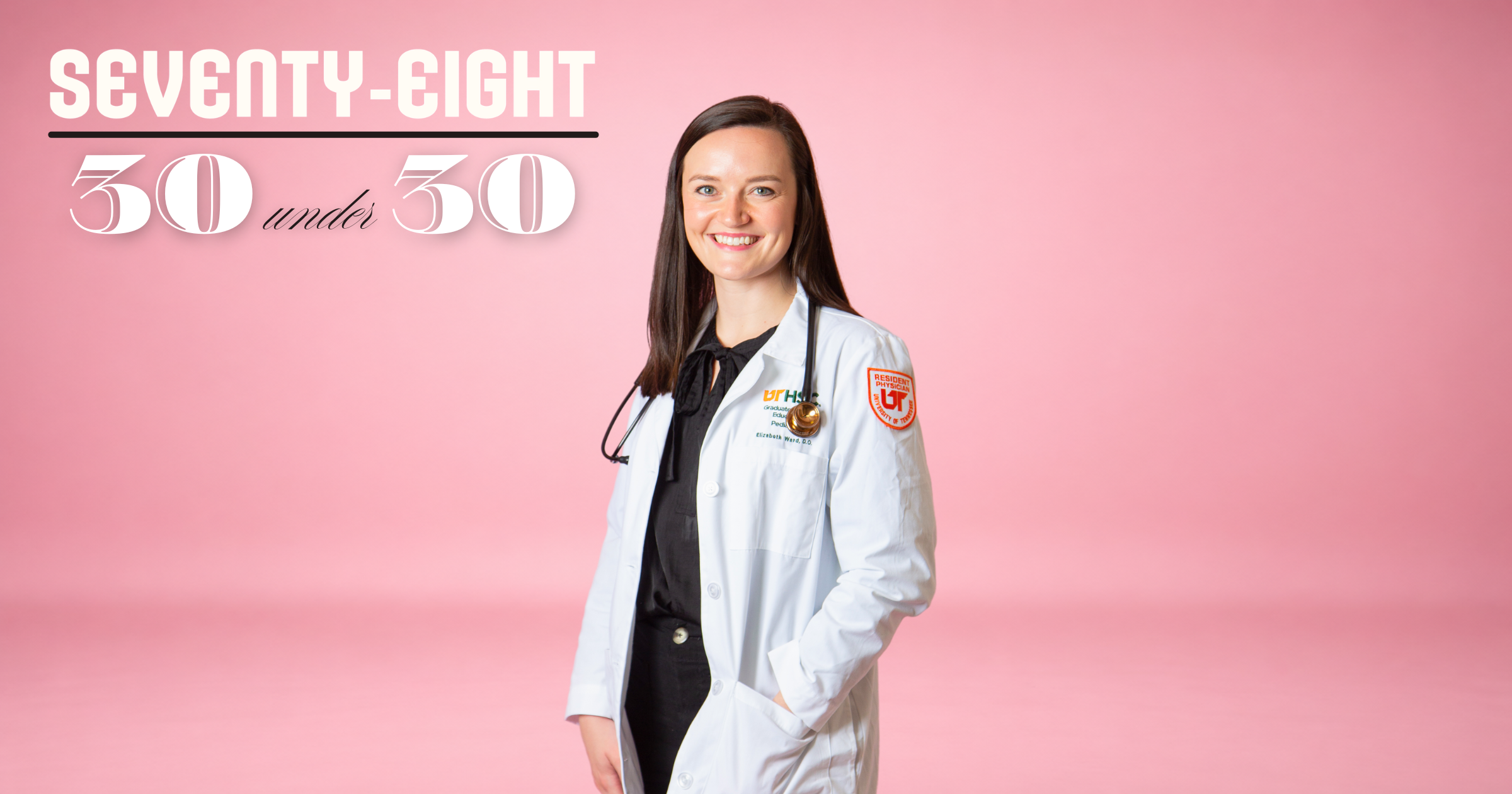
Elizabeth Ward Merithew was in sixth grade when she first decided she wanted to become a doctor. By eighth grade, she had narrowed it to pediatrics.
The summer between her ninth and tenth grade years, Elizabeth volunteered at Children’s of Alabama, answering phones, transporting patients, and helping move patients into the hospital’s new facility. What stayed with her most was the realization that hospitals are places where people often arrive scared, vulnerable, and in need of reassurance as much as treatment.
“I have always loved working with kids, and that summer at Children’s, plus a mission trip serving at an orphanage in Haiti, really solidified my decision,” she says.
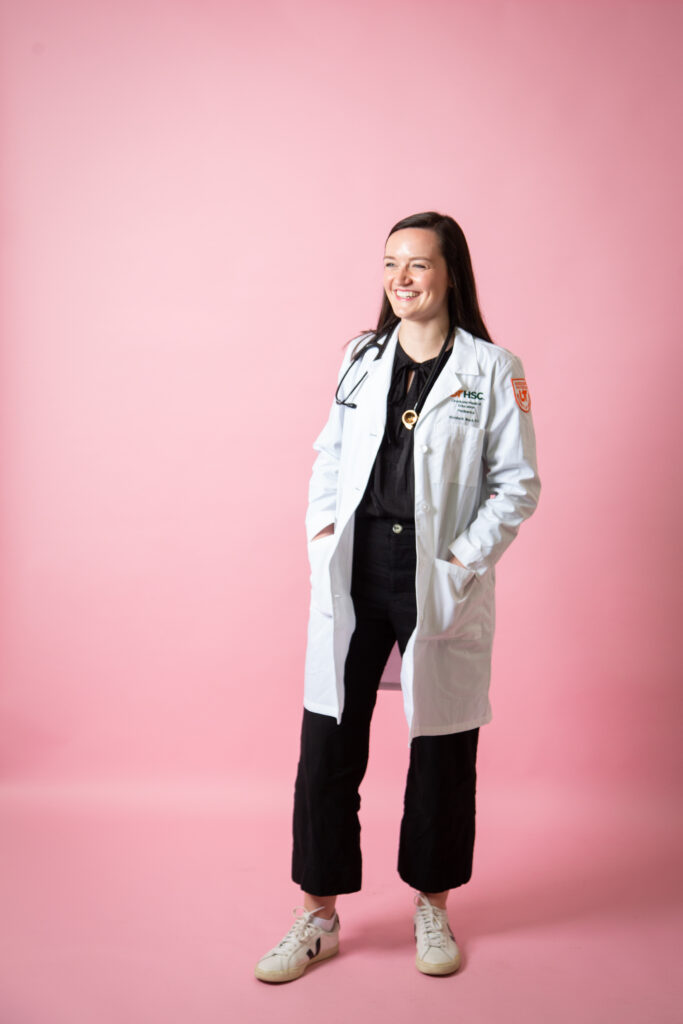
Today, Elizabeth is living out that calling as a pediatric resident at Le Bonheur Children’s Hospital and St. Jude Children’s Research Hospital in Memphis, Tennessee. Through her years of training, one lesson has remained central: meet people where they are.
She remembers volunteering in an emergency department during her undergraduate years at the University of Mississippi when a prisoner from the local jail was brought in for treatment. During a procedure, he looked at her and asked if she would hold his hand.
She did.
The moment stayed with her because it captured something fundamental about medicine. Patients arrive in some of the most vulnerable moments of their lives, and compassion should never depend on their circumstances.
That lesson resurfaced early in her residency. One of her young patients, a toddler in state custody, had recovered medically and was ready to be discharged but had nowhere to go while awaiting adoption. With no family at her bedside, the child gravitated toward the nurses and doctors caring for her. Elizabeth often let the toddler sit on her lap while she completed her work.
“That reminded me why I love pediatrics,” she says. “It’s about more than medicine. It’s about relationships.”
At St. Jude, she has also witnessed the realities of pediatric cancer. The medicine is complex and the cases can be heartbreaking, yet the resilience of the children and the teams supporting them continues to inspire her.
A graduate of Jasper City Schools, Elizabeth credits her hometown with helping her believe that becoming a doctor was possible.
“The school system and the city gave us the tools and the space to believe we could do big things,” she says.
Recently selected as chief resident of the University of Tennessee Health Science Center Pediatric Residency Program, Elizabeth hopes to become the kind of pediatrician families grow up with, from infancy through college.
“I want families to trust that I care deeply about their children,” she says. “I want to treat each child as I would my own.” 78