



For young players and their families, choosing where to play is about more than the game.
Words by Karen McCain | Images by Al Blanton
To travel or not to travel? That is the question.
When Walker Wilson’s son, John Walker, was eight years old, Walker faced a decision familiar to many baseball parents: Should his son play travel baseball or remain in a community league? After spending hours researching the advantages and disadvantages of travel ball, Walker had his answer.
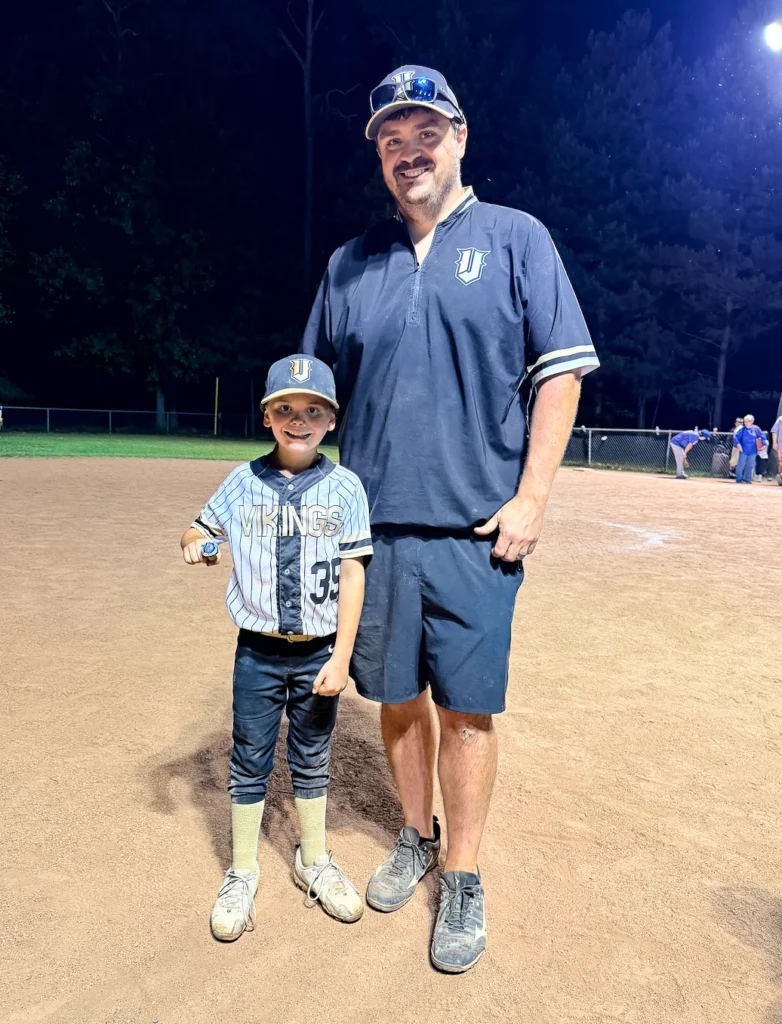
He was not the only local parent weighing that choice. Bradley Vance faced the same decision for his son Jack and determined that keeping him in a community recreation league was the better fit.
Their decisions reflect a larger shift in youth baseball. Thirty years ago, the sport was played almost entirely through local park and recreation leagues. Since then, the game has changed dramatically. Travel baseball has become a giant, creating a proverbial ice cream shop filled with options and flavors for parents to choose from. Tournaments and all-star teams abound, and the possibilities can seem endless.
With so many options available, families are often left wondering whether travel ball is worth the investment. The commitment can involve countless hours on the road to practices and games, as well as additional costs for tournament fees, food, gas, and lodging.
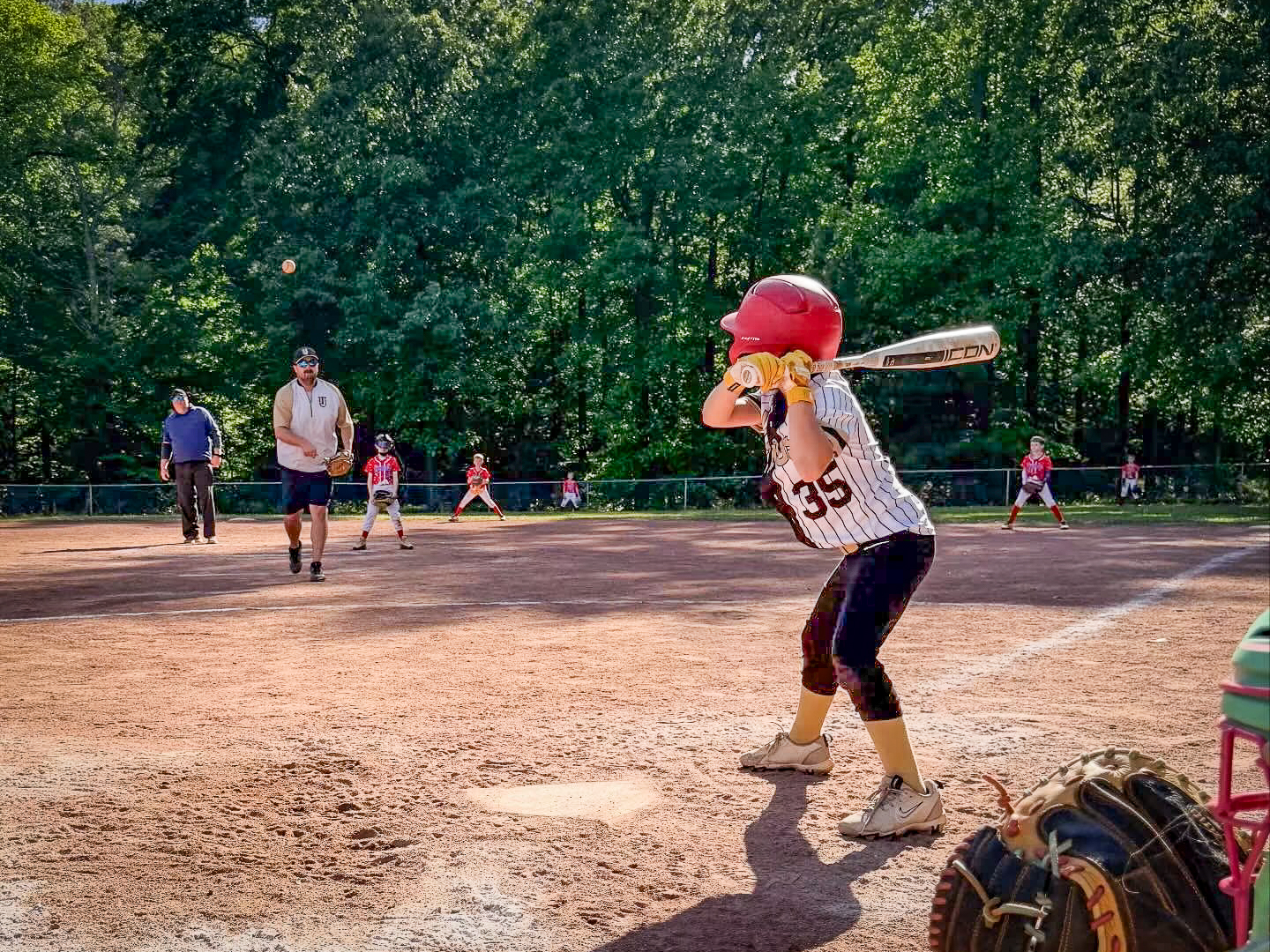
Community baseball, by contrast, keeps the game closer to home, with most games played at local fields. In the Walker County area, community teams such as Boldo, Carbon Hill, Cordova, Curry, Union Chapel, and others offer families a lower-travel option while still allowing children to learn and compete.
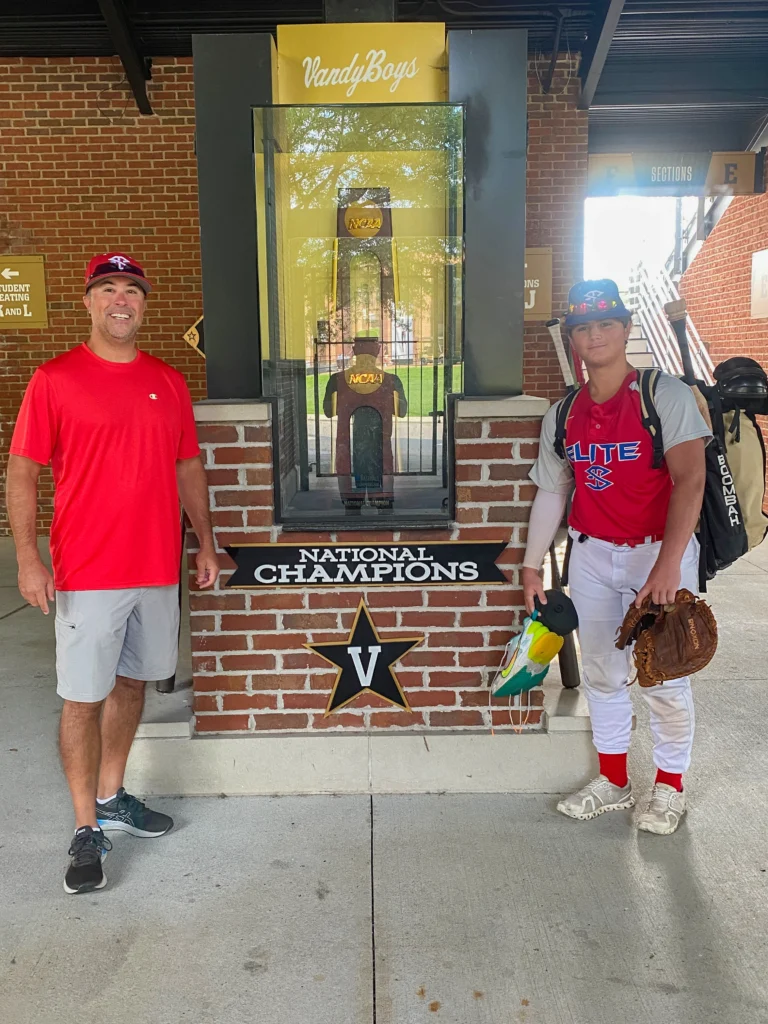
For the Wilsons, the investment in travel baseball began to make sense when he realized John Walker had a true passion for the sport and a goal of playing in college. That was when Walker began to see the potential value of travel ball.
“I began to research the best areas for a travel ball team that suited John Walker,” he says. “That research led me to East Cobb, just outside of Atlanta.”
East Cobb Baseball is a nationally recognized baseball facility in Marietta, Georgia. Often referred to as the “Mecca of travel baseball,” the program has a proven track record, with dozens of former players reaching Major League Baseball.
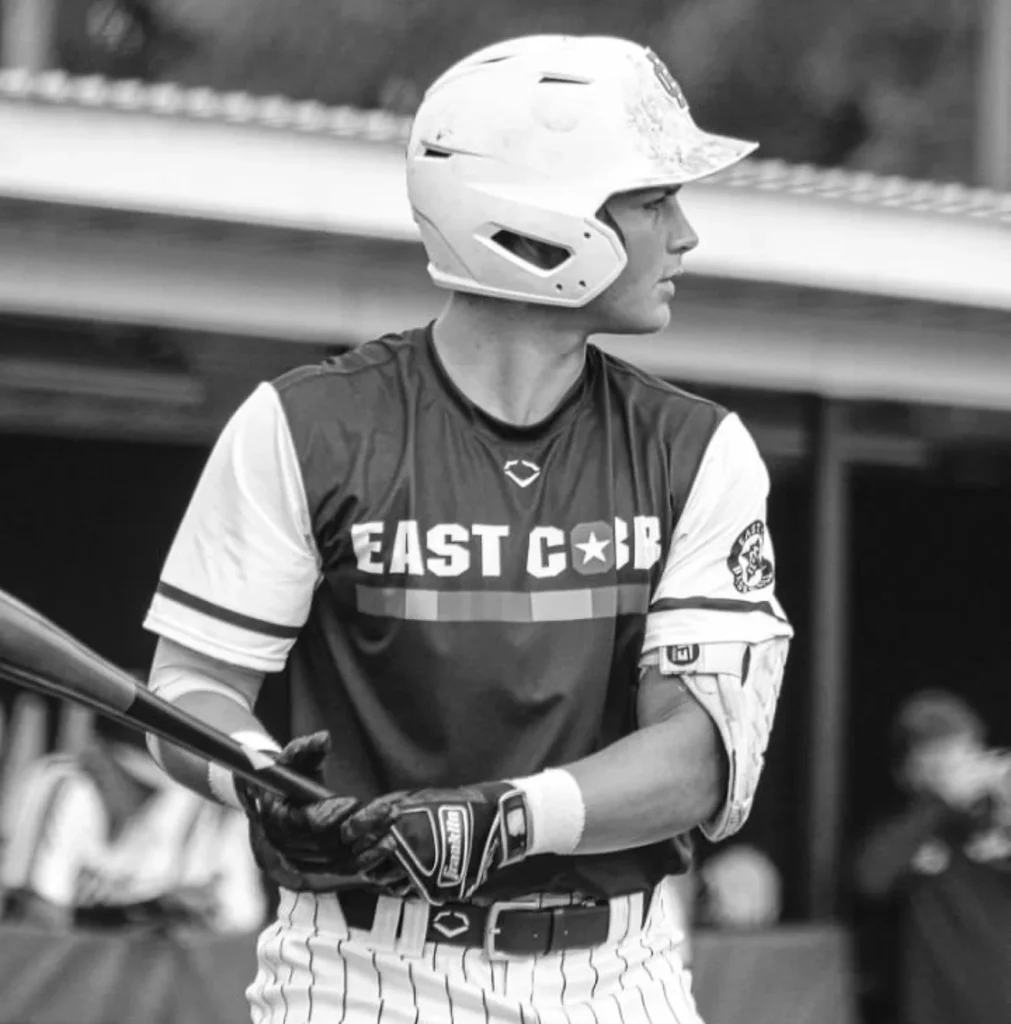
That reputation made East Cobb stand out, but finding the right program was only the first step. John Walker still had to earn his place on the roster.
“John Walker had to try out for the travel team. We were thrilled when he made it,” Walker says.
The team brought together players from Florida, Alabama, and Georgia. Once John Walker joined, travel baseball became more than another game on the schedule. It was not only a commitment for the player; it was a commitment for the entire family.
Travel ball can reshape a family’s routine, consuming weekends, time, and money. For the Wilson family, however, it also brought something valuable: lasting friendships.
“John Walker had teammates, but we found a parent group where everybody was pulling in the same direction and had the same mindset,” Walker says.
The long drives and busy weekends became more than obligations on a calendar. They became part of the experience of watching John Walker and his teammates compete and grow together.
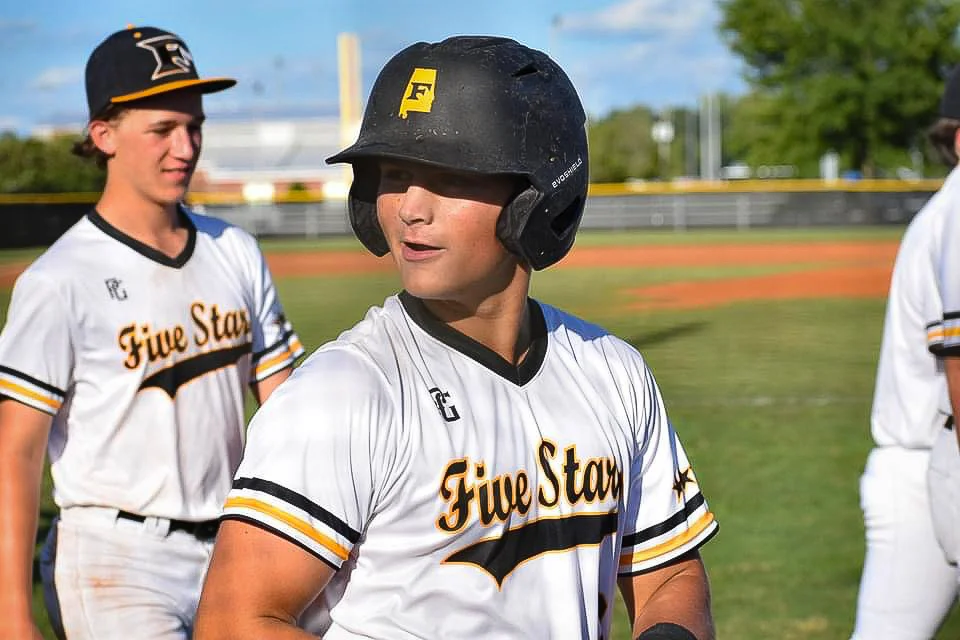
While the Wilsons found the right fit in travel baseball, the Vances viewed the decision differently. They believed community baseball was the better choice for Jack.
“I would have played baseball 365 days a year. Baseball was a big part of my life,” Bradley says.
However, he recognized that Jack had not yet reached that same level of passion for the game. For now, the community league at Boldo gives Jack a place to play, develop, and enjoy baseball at his own pace.
For the Vances, the benefits of community baseball extend beyond what happens on the field. Bradley describes the league as a family-centered experience.
“Our baseball family spends time together, allowing the children to build friendships while parents and siblings do the same. While children are playing on the field, their siblings often play together on the sidelines. My wife, Lauren, and I have also developed friendships with the other parents. Jack’s team is made up of local boys he knows from church and school,” he says.
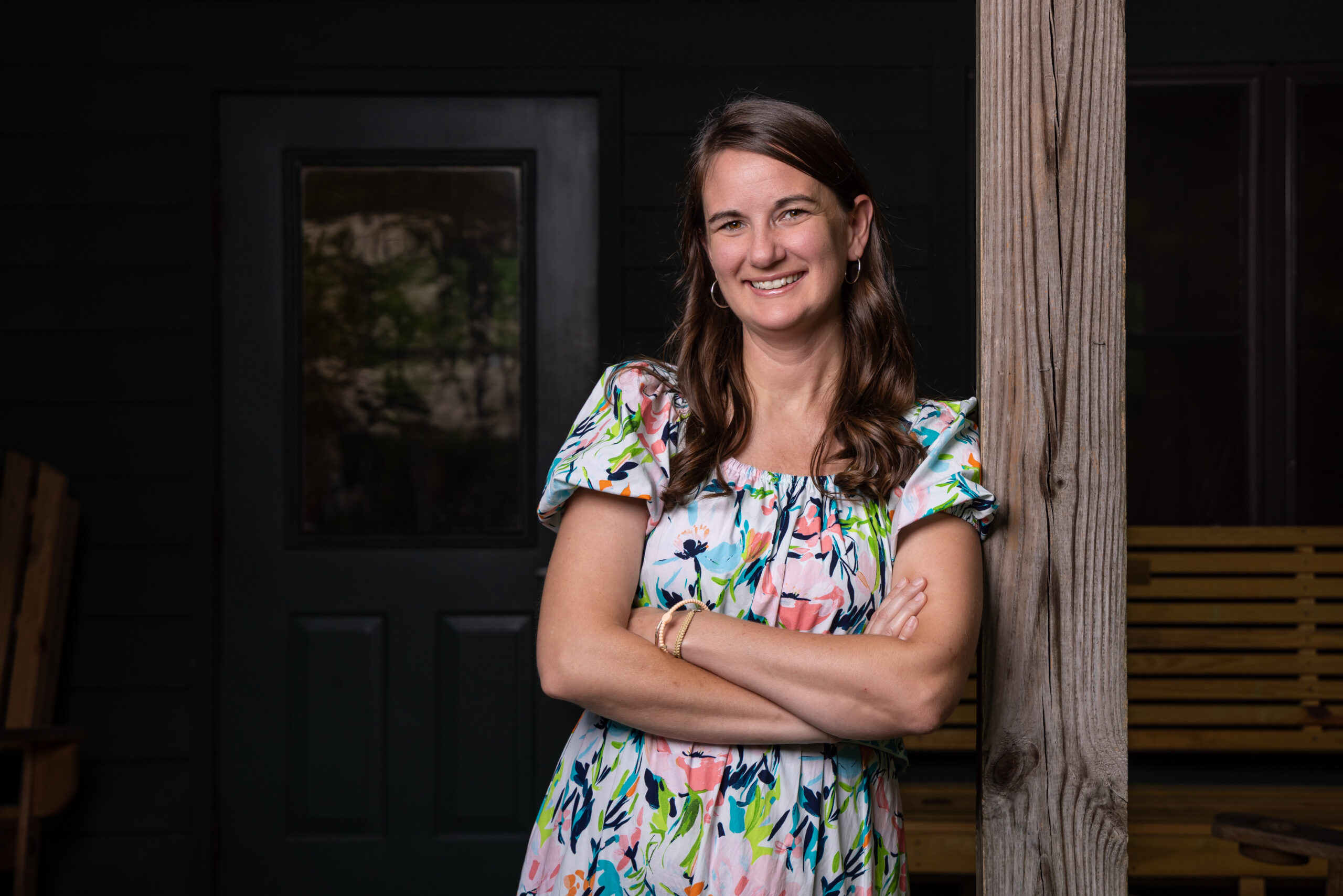
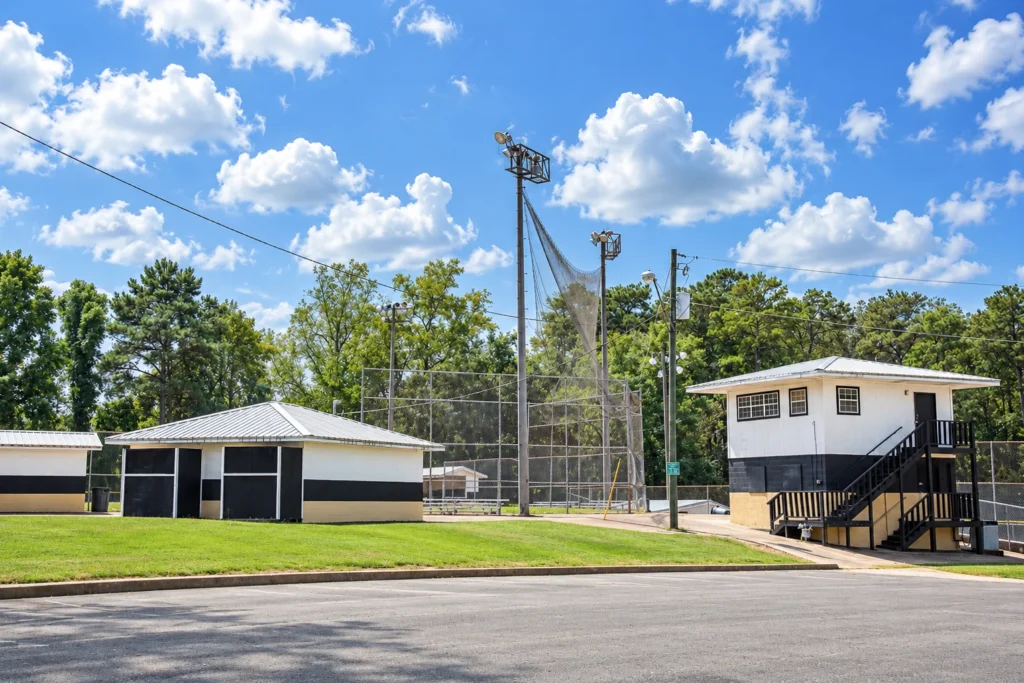
That same emphasis on development and community is central to Jasper Park and Recreation Department, according to Daphne McCain-Evans, the department’s sports director. She explains that park and recreation leagues provide children with a place to learn the fundamentals of baseball with the help of volunteer coaches.
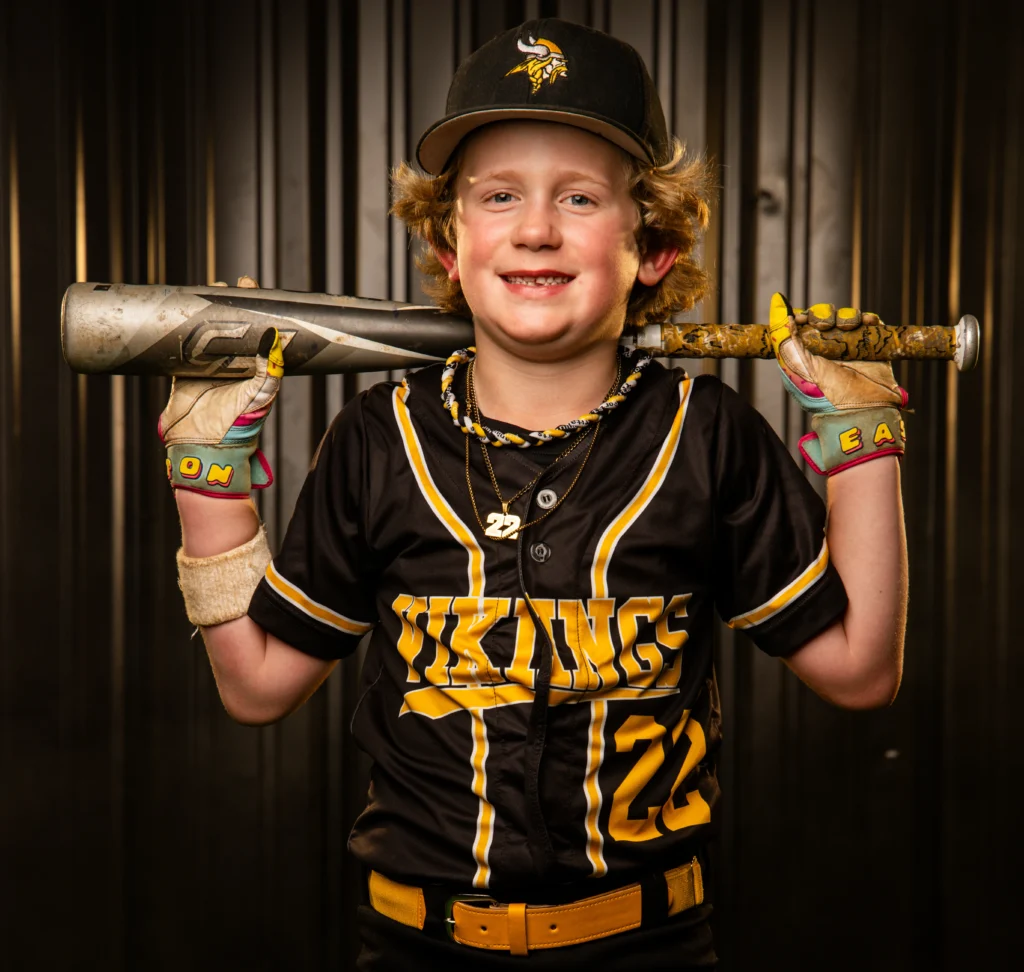
Image by T.G. Paschal – @T.G.Paschalcreativemedia
That developmental focus is especially important because players often enter the program with varying levels of experience. After registration, coaches evaluate the players before selecting teams.
“Our goal in evaluation of the players is to get the teams as equal as possible,” Daphne says.
Even with those benefits, participation in Jasper Park and Rec baseball has declined in recent years. Daphne says the program had approximately two hundred players this year, and she believes the growth of community and travel ball teams is one reason for the decrease. Unlike park and recreation leagues, those teams can select their players and build rosters around specific needs.
Still, park and recreation baseball remains an affordable option for many families.
“We charge $50 per player, and that is for their uniform. We also supply any needed equipment and cover tournament fees. If there is more than one child per family, we give a discount,” Daphne says.
The effort to keep costs manageable also extends to families who may need additional assistance. Scholarships are available for children who cannot afford to participate, Daphne says, because the program wants every interested child to have an opportunity to play.
For the Wilson family, the travel baseball path eventually led John Walker where he had hoped it would. After years of playing travel ball, he achieved his goal and will continue his baseball career at Bevill State College in Fayette. His father, Walker; mother, Lindsey; and sister, Greer, will be in the stands cheering him on, just as they always have.
For the Vance family, the path remains closer to home. Bradley plans to continue coaching Jack and may also coach his younger son, Grayson, in the future. He also gained coaching experience through his daughter Charlotte’s softball team before she developed a different interest.
“I love baseball, and as long as my boys want to play, I will be there,” he says.
Together, the families’ stories demonstrate that there is no single right choice for every child. Although Wilson and Vance selected different paths for their sons, both agree that a child’s interests, goals, and skill level should guide the decision.
In the end, whether a child plays for a travel team or at the local park, the heart of the choice remains the same: helping that child grow, enjoy the game, and discover where baseball fits best.
As the great Yogi Berra said, “Love is the most important thing in the world. But baseball is pretty good too.” 78