The Long View
Don Goetz reflects on decades of work that helped shape the Jasper people know today.
Words by Anna Duncan Owens | Images by Al Blanton
Long before Don Goetz came to Jasper—before he ran a store or held public office—his college professor handed him the results of his aptitude test and told him something he never forgot. The list was long, filled with dozens of possible career paths. When the advisor finished reading them, he explained what they all had in common: as long as Don used his work to help other people be successful and happy, he would do well, too.
“That stuck with me,” Don says. “It still does.”
At 93, Don speaks plainly, moving through his life the same way he lived it, one step naturally leading into the next. He doesn’t dwell on turning points or milestones. He talks about decisions, about what needed to happen, and about the people who showed up when it mattered.
Don grew up in Wisconsin and graduated from Marquette University. He began his career in retail in 1956, eventually becoming one of the youngest district managers for Kmart, supervising more than twenty stores. The work was demanding and focused on performance rather than involvement. “You weren’t supposed to get too involved,” he says. “You just ran your stores.” That philosophy changed when he joined Walmart.
Don came to Jasper in 1979 to open and manage the first Walmart store in Alabama, thinking it would be temporary. But working with Sam Walton reinforced something that stayed with him long after retail. “Mr. Sam told me we should be involved in the community, you didn’t just run the store, and that was music to my ears,” Don says. “He also told me I would be the face of Walmart in Alabama.”
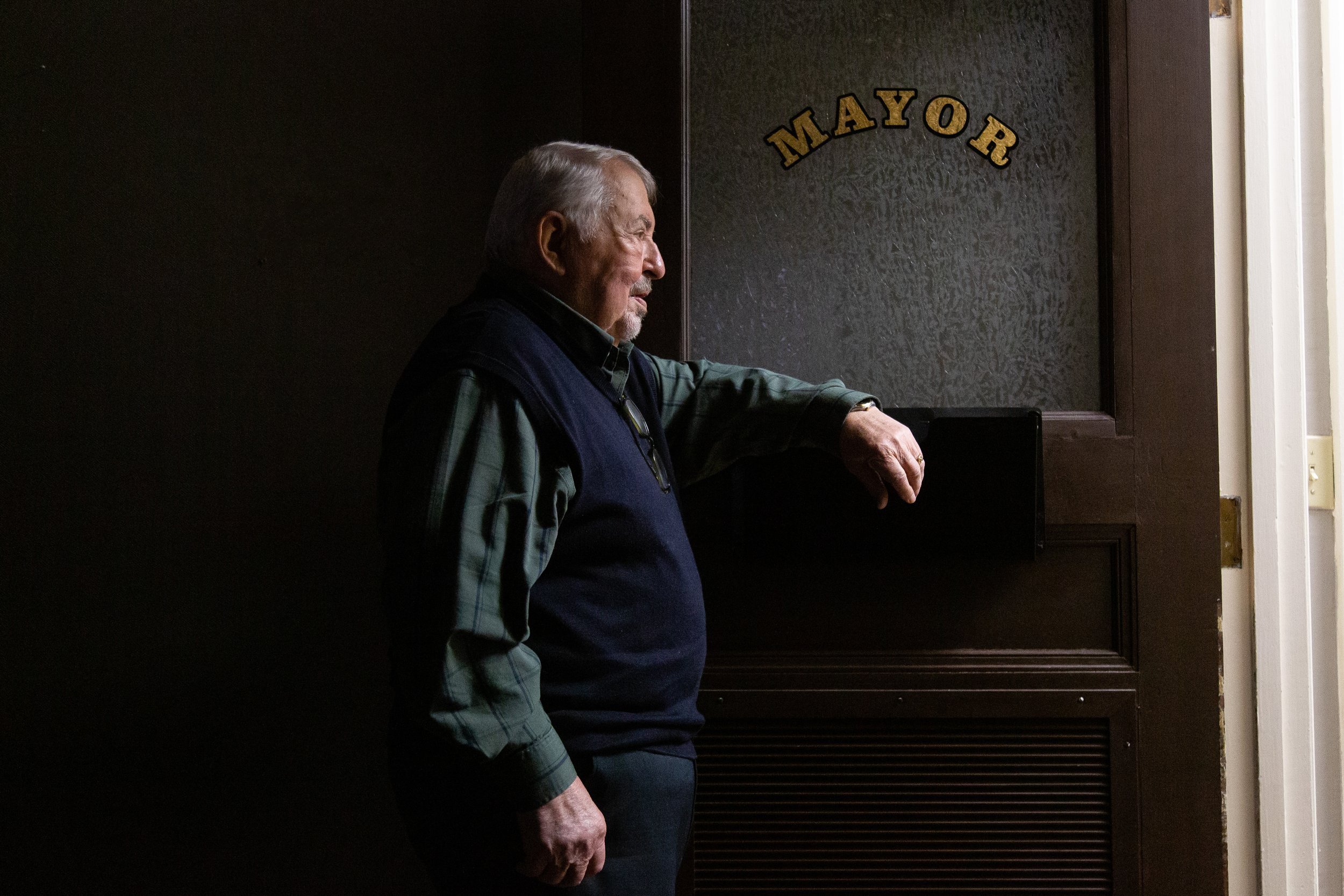
That same approach followed Don into everything he did afterward. When he was elected mayor of Jasper in 1996—a position he held until 2004—he brought it with him. “I wasn’t going to shut the door on anybody,” he says. “If someone wanted to talk, I wanted to listen.”
Early in his mayoral tenure, a man walked into his office and placed a thick book on his desk, decades of work tied to a transportation project that had stalled since 1969. “I’ll admit it,” Don says. “I had never heard of Corridor X.” The man looked at him and said, “Maybe you can get this thing done.” Don didn’t promise he could, but he promised he would learn more about it.
He learned that former Congressman Tom Bevill had first envisioned a highway connecting Memphis, Tennessee, and Birmingham, Alabama, introducing the legislation that would eventually become known as Corridor X. Soon, Don began traveling to Montgomery and Washington, D.C., trying to understand why the project never moved forward. “A corridor doesn’t get guaranteed funding,” he explains. “An interstate does.” That distinction became critical. Through repeated trips, conversations, and persistence, Corridor X eventually became Interstate 22, a change that ensured long-term maintenance, improved safety, and economic stability for Jasper.
Not everyone understood what was happening at the time. “People didn’t even know what Corridor X was,” Don says. “A lot of the work people depend on,” he says, “they don’t see it while it’s happening.”
Infrastructure required more than roads. “You can’t have an interstate without water and sewer,” he says. When the city didn’t have the money, Don went back to Washington. Sitting across from Senator Richard Shelby, he explained the situation directly, and an initial offer of 50 percent funding evolved to 75 percent funding and eventually became full federal support. Don credits the sustained efforts of Senator Shelby, along with Congressman Robert Aderholtand Senator Jeff Sessions, with leading the charge in Washington that ultimately brought Interstate 22 to completion.
Closer to home, Don faced decisions that brought frustration. Industrial Park Road was once a two-lane road. To support growth, it needed to be expanded. When concerns arose about public backlash, Don stepped in. “I told them, ‘You blame me, I’ll take the flak.” Soon, the road widened to six lanes and businesses lined it.
Education was another priority. When Walker College faced closure due to a lack of funding, Don helped bring it into the state system, preserving what is now Bevill State Community College. “I can’t imagine the college not being here,” he says. “Too many people depend on it.”
During his early years as mayor, Jasper went from being ranked among the dirtiest cities in the state to one of the cleanest. Downtown revitalization began, and community traditions such as the Christmas parade and the Foothills Festival took shape. Don doesn’t describe these as achievements of his tenure; he simply calls them things that “just needed doing.”
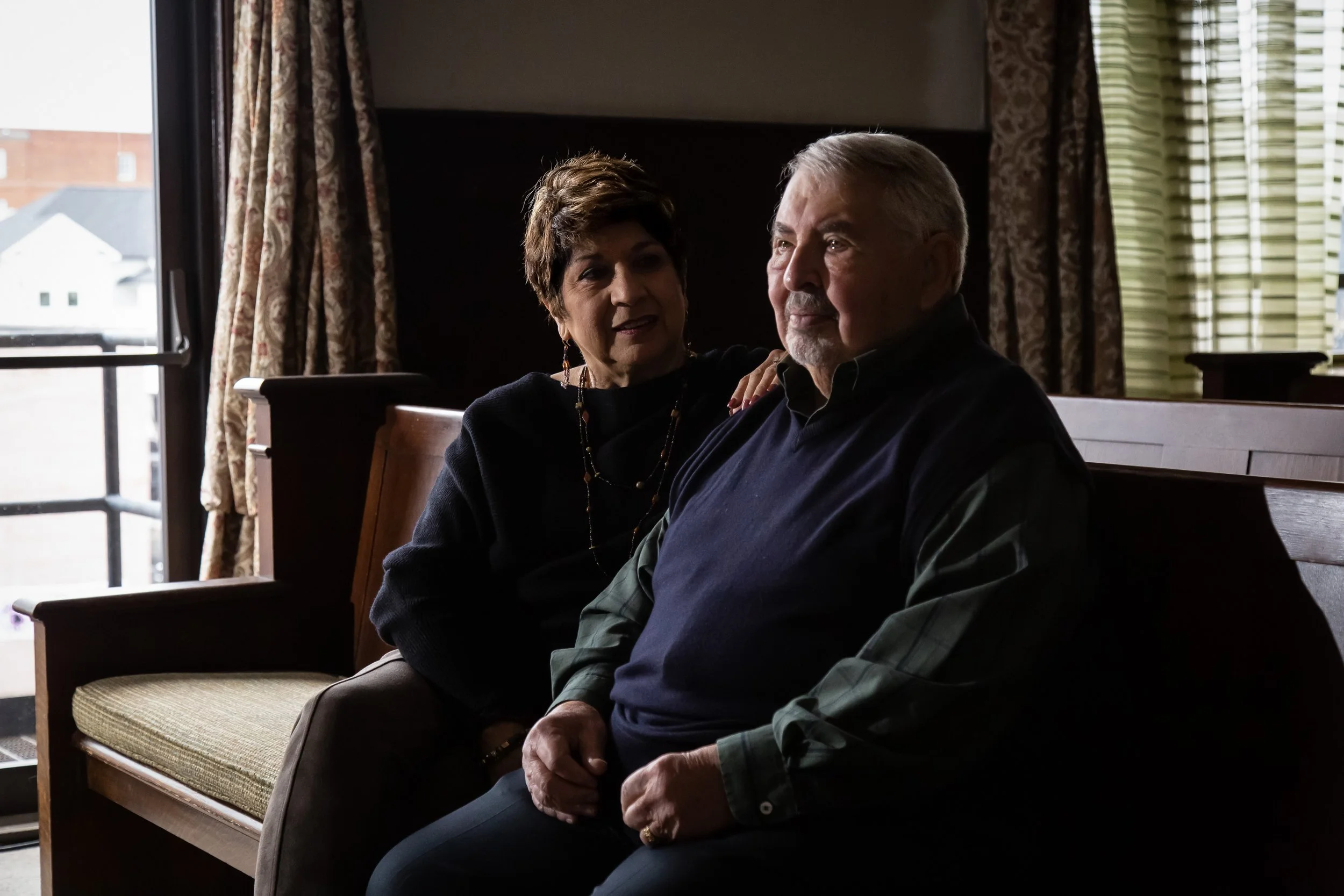
While he doesn’t desire credit for any of his achievements, Don gives credit to his wife Renee for being his partner through it all. “We’ve been married for 56 years, and she has supported me through all the good times and the bad ones, too. She keeps me going,” he says. “Whatever success I may have had, she was the force behind it.”
Today, Don continues to follow the same principle that first appeared on that aptitude test. He and Renee volunteer in nursing homes, visiting residents who may not have family nearby. “Some people just need someone to sit with them,” he says. “That matters.”
Looking back, Don Goetz doesn’t talk about legacy. He talks about usefulness. “As long as you’re helping other people,” he says, “you’re doing something worthwhile.” 78