The Ministry of Presence
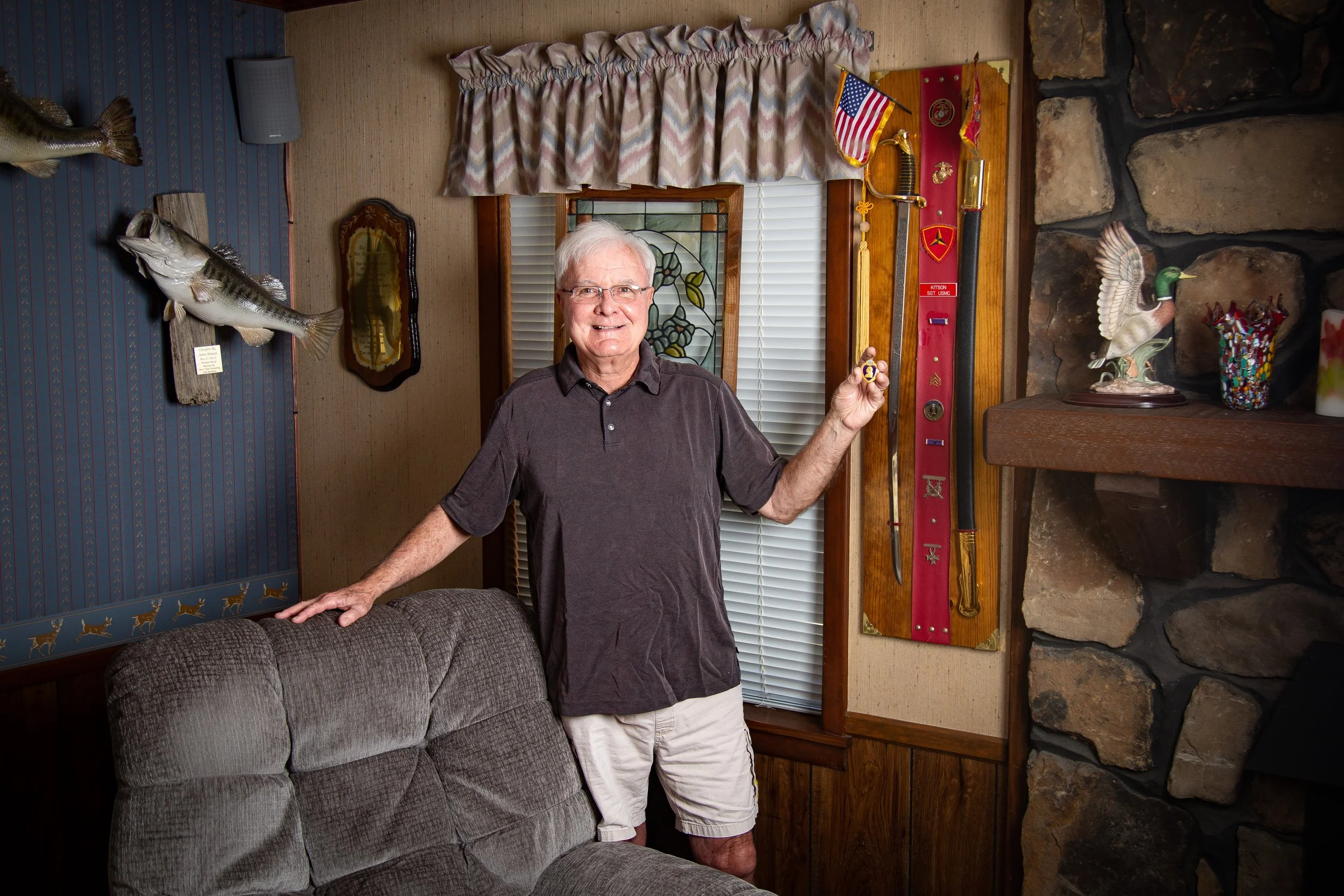
Through decades of quiet faithfulness, Vietnam veteran Jim Kitson has become a steady pillar of support for his church and community.
Words Anna Duncan Owens | Images by Al Blanton
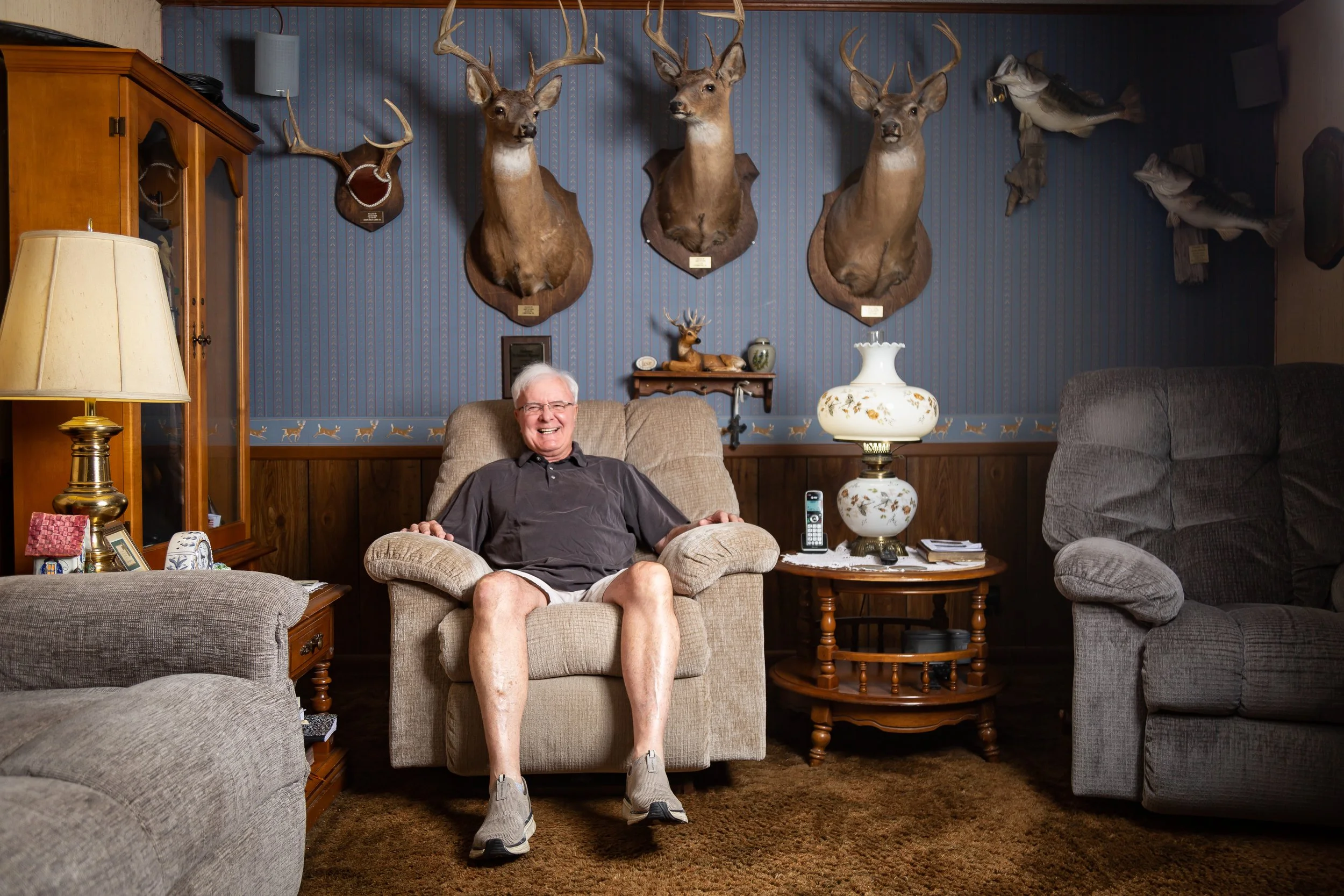
Jim Kitson is the kind of person who is simply there when something needs to be done. At Jasper’s First Methodist Church, that often means arriving early, helping behind the scenes, greeting people as they come through the door, or making himself available to anyone who needs a listening ear. He does not draw attention to himself, he just shows up. His presence is steady and shaped by responsibility rather than a desire for recognition.
Even small memories say a lot about Jim’s approach to service. His mother used to tuck packets of Kool-Aid into the care packages she sent him at boot camp, a simple kindness that made canteen water a little more bearable. Jim still smiles about it now, not because it was anything big, but because it was thoughtful. In a hard place, it was a reminder that someone cared enough to think about the small things.
That same attentiveness shapes how Jim shows up for others today. The church has been part of his family life for more than 50 years, and during that time his volunteer work has taken many forms. He has taught Sunday School, participated in prayer groups and Bible studies, served on church boards, and chaperoned youth trips. He remains active in the Methodist Men’s Club, where service is practical and hands-on. Through that group, Jim has helped build wheelchair ramps, worked on Habitat for Humanity projects, supported scholarships for college students, and assisted church members with small tasks around their homes, such as changing a light bulb or fixing a drawer. These are the kinds of things that often go unnoticed but matter greatly.
“I’ve just tried to make myself available to anyone who approaches me,” Jim says.
Over the years, he has learned that listening is often more important than knowing what to say. He finds that repeating back what someone has shared can help them see things more clearly. “I think it is the Lord’s way of opening someone’s eyes,” he says.
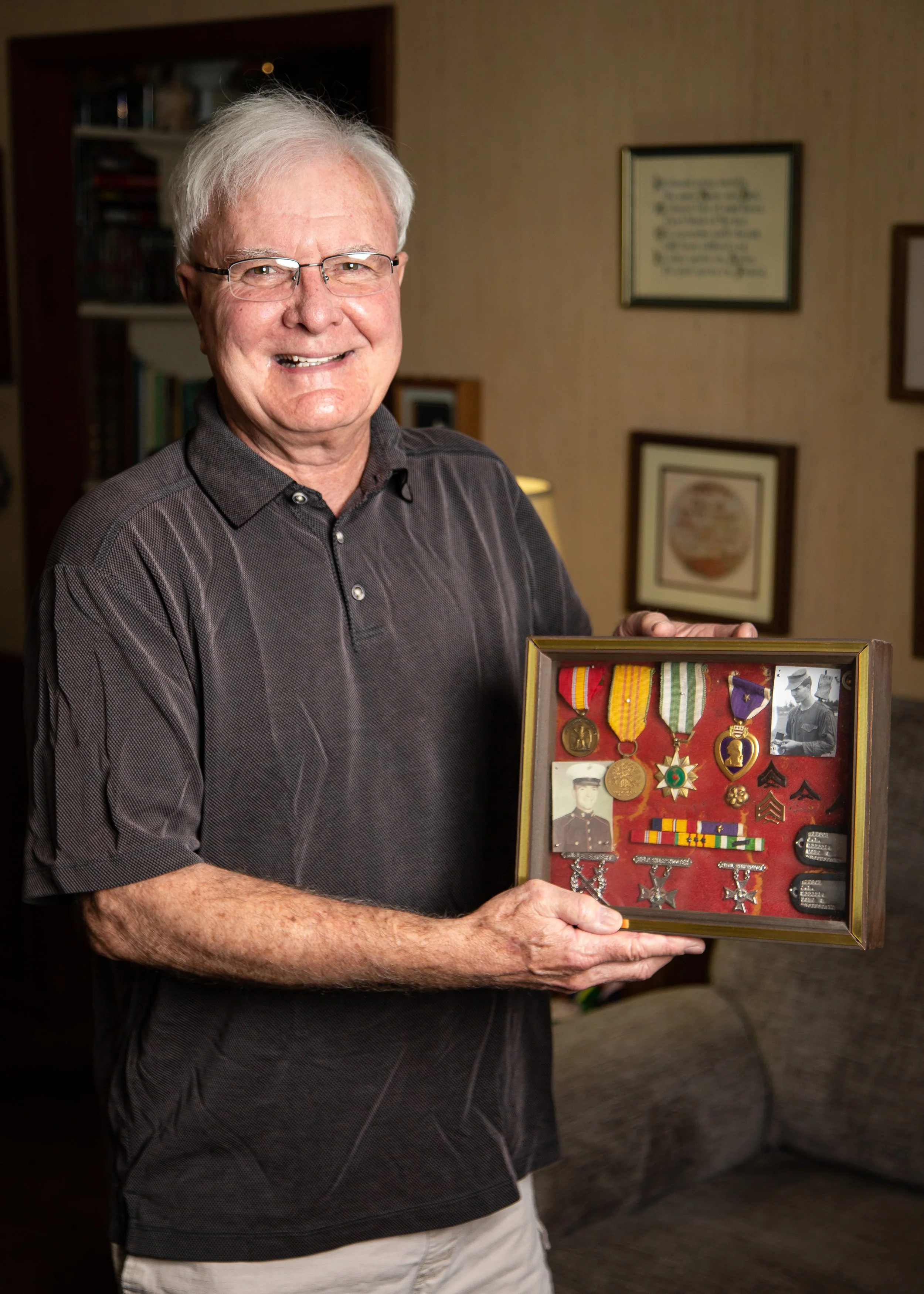
That way of showing up did not begin at church. Years earlier, Jim served as a United States Marine infantryman during the Vietnam War. The experience shaped him profoundly, but not in ways he feels the need to dramatize. He has never believed in turning trauma into something sensational. “There was nothing sensational about it,” he says. “I put one foot in front of the other and did my duty.”
Jim was just eighteen years old when he came face to face with his own mortality. The patrols were brutal and the losses were real. “The memories, the sounds, the smells, the images never fully leave,” he says. “Those who survived will carry them for the rest of their lives.” Still, Jim believes those experiences gave him perspective. They taught him that feeling overwhelmed does not mean you are finished. “Things can always get worse,” he admits, “but that doesn’t mean it’s the end of the world. You can survive. You can grow stronger.”
He has carried that understanding into many parts of his life, from coaching youth sports and writing devotionals, to supporting coworkers and raising a family. Through it all, Jim credits his faith. “The Lord has blessed me and my family tremendously,” he says. “He has showered me with His love, mercy, and grace and allowed me to live to share this with my fellow man.”
His care for others is especially strong when it comes to fellow veterans. Jim understands how hard it can be to take the first step toward help. When memories he thought were long buried resurfaced years later, he saw the toll post-traumatic stress disorder was taking on him and his family. Seeing fear in the eyes of the people he loved pushed him to seek help through the Tuscaloosa VA. The work was challenging and uncomfortable, but it changed his life.
“I literally got my life back,” he says. His advice to others is simple. “You can’t do it alone. Healing takes effort, support, and the willingness to face what you’ve been carrying.”
Jim does not measure a life by how visible it is. He believes reliability matters more than recognition. When he looks around Walker County, he sees reasons to be hopeful. Churches are feeding the hungry, neighbors are helping with power bills, volunteers are ringing bells for the Salvation Army, and many people are quietly doing what they can.
“The main thing,” he says, “is to make yourself available when you can.”
Jim Kitson’s life is a reminder that service does not need a spotlight to matter. It lives in showing up, paying attention, and caring in practical ways. In a time when so much is loud and performative, his way of being points to something steadier, much like a packet of Kool-Aid carried into a hard place simply because someone thought it might help. 78